
What Your Supplement Packaging Is Really Telling Customers
Home » Contract Manufacturing » What Your Supplement Packaging Is Really Telling Customers
Share this post
Most supplement brands spend a lot of time on their formula. They spend considerably less time on how that formula gets packaged. That is a mistake — because packaging is often the first thing a customer sees, touches, and judges.
In today’s supplement market, packaging strategy affects far more than shelf appeal. It influences product protection, shipping performance, sustainability credentials, and the overall customer experience. Getting it right from the start saves money, protects quality, and builds brand trust faster than almost any other product decision.
Why Packaging Decisions Matter Earlier Than Most Brands Think
Many brands finalize their formula first and then choose packaging afterward. However, that approach creates problems. Some ingredient combinations require specific moisture barriers. Others need UV-blocking materials to protect potency. Furthermore, certain formats simply do not work with certain fill weights or serving sizes.
The most effective supplement packaging strategy starts during formulation — not after it. When packaging and formula development happen together, the result is a product that performs well on shelf, ships without damage, and maintains quality throughout its full shelf life.
Bottles: The Reliable Standard
Bottles remain the most widely used format in the supplement industry. They are familiar to consumers, easy to label, and work well across capsules, tablets, softgels, and gummies. HDPE plastic is the most common material because it is durable, lightweight, and moisture-resistant. Glass bottles offer a premium positioning option for brands in the natural or luxury wellness space.
Child-resistant closures are required for many supplement formats. Induction seals add an additional layer of tamper evidence that retailers and consumers both value. Together, these features make bottles a dependable choice for brands at every price point.
Jars, Pouches, and Stick Packs
Jars work especially well for powder-based products. They allow easy access and practical at-home use. However, they require careful attention to moisture control during packaging and storage. Desiccants and foil liners are often used to extend shelf life and protect product quality.
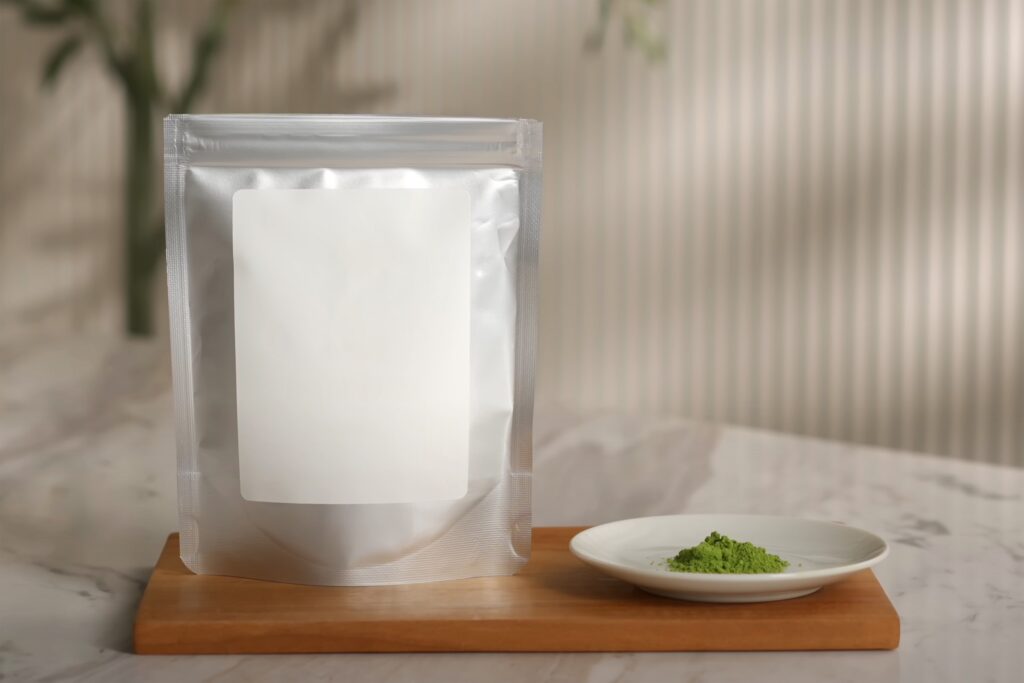
Pouches are gaining ground as a flexible, cost-effective alternative to rigid containers. They are lighter than bottles and jars, which reduces shipping costs significantly. They also support refill and subscription models that are growing in popularity across DTC supplement brands. Moreover, pouches often carry a sustainability story — many brands use recyclable or compostable materials to reinforce their clean-label positioning.
Stick packs are a different kind of opportunity. They offer single-serve convenience and portion control for powders, blends, and effervescent formulas. For brands building subscription models or sampling programs, stick packs are one of the most strategically flexible formats available. In addition, they ship flat, travel easily, and give consumers a daily-use format that feels intentional rather than clinical.
Label Design and Shelf Communication
Packaging and label design work together — and neither should be treated as an afterthought. A strong label communicates product benefits clearly, meets all FDA formatting requirements, and reinforces brand identity at the same time.
In retail environments, a product has roughly three seconds to capture attention on shelf. Clean layouts, readable typography, and intentional color use all contribute to that first impression. In e-commerce environments, the label needs to read clearly in a small thumbnail image. Both contexts have different visual requirements — and the best labels are designed with both in mind.
Consistency across a product line also matters. When multiple SKUs share visual language, the cumulative shelf presence of the brand becomes stronger than any individual product. That consistency is especially important for brands entering retail for the first time.
E-Commerce Readiness and Shipping Performance
Online supplement sales continue to grow. As a result, packaging must be designed to survive shipping — not just to look good in a studio photograph. Products that arrive damaged or leaking create immediate trust problems that are difficult to recover from.
Durable closures, sealed induction liners, and appropriate void fill in outer shipping boxes all contribute to a safe delivery. The unboxing experience also matters more than many brands realize. A product that arrives clean, intact, and well-presented creates a positive impression that reinforces the purchase decision and supports repeat buying.
For subscription brands especially, the arrival experience is a regular brand touchpoint. Therefore, it deserves the same attention as any other customer-facing element of the product.
Sustainability and Packaging Innovation
Eco-conscious consumers are paying closer attention to supplement packaging than ever before. Recyclable bottles, compostable pouches, and reduced plastic formats all carry genuine appeal for a growing segment of the wellness market. However, sustainability claims also require accuracy. Brands should only make environmental claims they can substantiate through material certification or third-party verification.
PCR (post-consumer recycled) materials are gaining adoption across the supplement category. Furthermore, refill pouch systems — where consumers keep a primary container and purchase refill pouches — are an emerging model that reduces packaging waste while building strong subscription habits.
Building Your Packaging Strategy With Health Genesis
Health Genesis helps private label supplement brands develop packaging strategies that work across every format the category demands. We support bottle, jar, pouch, and stick pack production alongside label design, compliance review, and e-commerce readiness planning — all under GMP-certified, FDA-registered, USA-based manufacturing standards.
Packaging is not just a container. It is a compliance tool, a brand statement, and a customer experience — all at once. The brands that treat it that way from the beginning build stronger products and stronger businesses.
This article is for informational purposes only and does not constitute medical advice. Always consult with a qualified healthcare professional before starting any new supplement regimen.
Ready to develop a supplement packaging strategy that works across retail, e-commerce, and DTC?
Talk to Health Genesis about building a product line that looks as good as it performs.
More Manufacturing Insights
Discover additional resources to help scale your supplement business and stay ahead of industry trends